
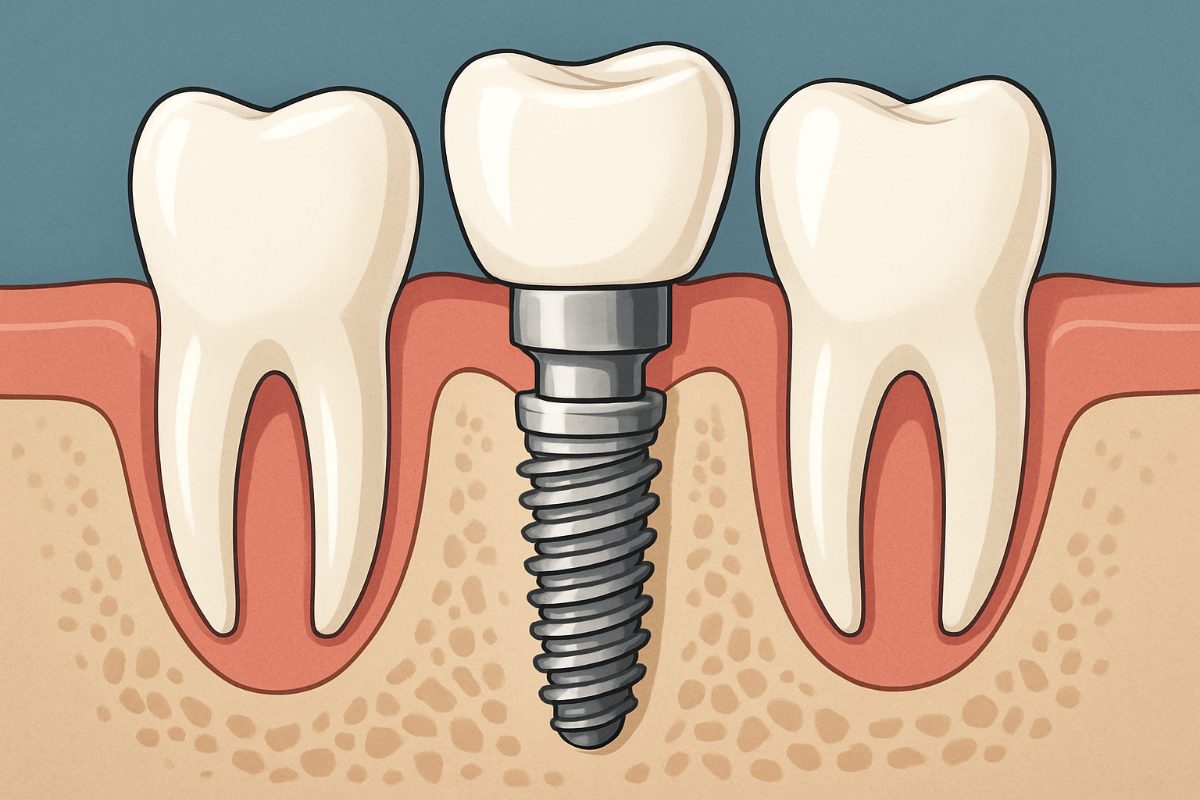
Choosing between a periodontist or a general dentist for dental implants can feel confusing. The right provider affects how well the implant heals, how natural it looks, and how long it lasts. A “periodontist implant” refers to implants placed by a gum and bone specialist. This post compares training, typical cases, technology, costs, and how to pick the best path based on your oral health and treatment complexity. Read on to find a predictable plan for lasting results.
What Is a Periodontist And What Is a Dentist?
A periodontist is a dental specialist focused on gums, supporting bone, and surgical procedures like implants and bone grafts. A general dentist manages routine care, restorations, and may place implants too. A periodontist implant in Aurora, IL highlights the specialist’s focus on complex surgical needs and soft-tissue health. Many general dentists handle straightforward implant cases, but specialists train more deeply for difficult surgical problems.
Training & Experience: How They Differ
Periodontists complete dental school plus a multi-year residency focused on surgery, bone grafting, and managing gum disease. That residency gives hands-on experience with complex implant cases. General dentists finish dental school and often take continuing education courses in implant dentistry; some have advanced training and excellent surgical skill. For complicated bone or gum issues, the extra residency experience of a periodontist often matters.
When To Choose a Periodontist Implant vs a Dentist
– Choose a periodontist implant for severe bone loss, need for bone grafts or sinus lifts, failing or infected implants, full-arch reconstruction, or advanced gum disease. – Choose a general dentist for a straightforward single-tooth implant in a healthy mouth, routine restorations, or when the dentist has strong implant experience and clear outcomes. If unsure, get a consult to see if surgery alone or combined care is recommended.
Technology, Outcomes, and Long-Term Success
Advanced tools improve planning and results. CBCT 3D imaging shows bone volume and nerve locations. Intraoral scanners give precise digital impressions. Soft-tissue lasers and in-house labs help with fit and healing. Whether a periodontist or a dentist places the implant, access to these technologies — and experience using them — often predicts better long-term success than title alone.
Costs, Coordination & Treatment Timeline
Cost depends on grafts, type of implant, and the final restoration. Bone grafts and sinus lifts add expense and healing time. Single implants can take a few months from placement to final crown; full-arch work may take longer and involve staged surgeries. Ask who will do each step if care is shared, get a written timeline, and review financing options to avoid surprises.
How to Evaluate a Provider: Questions to Ask
Ask how many implants they place yearly, complication rates, examples of single-tooth vs full-mouth cases, if they use CBCT, available sedation, and warranty on restorations. Request before-and-after photos and confirm ongoing training and professional memberships.
About Grand Dental Implant Centers & Why Patients Choose Them
Grand Dental Implant Centers focuses on implant care across multiple Illinois locations including Aurora, Lake Zurich, and Wilmington. The practice uses CBCT imaging, intraoral scanners, soft-tissue lasers, in-house labs, and zirconia restorations. They offer IV sedation and full-mouth solutions. Dr. Cole Wells and Dr. Brandon Bice are implant-focused clinicians with advanced training and memberships in the ADA and ISDS.
Next Steps: Finding the Right Care for Your Implant
Book a consultation, bring recent X-rays or request a CBCT, and discuss whether your case needs a periodontist implant specialist or a trained general dentist. Ask for a clear plan, timeline, and financing options. Schedule an evaluation to get a personalized treatment plan and predictable next steps.