
Do I need dental bone grafts for implants in Aurora, IL? This guide explains what “dental bone grafts for implants” means, who may need them, how dentists decide if you need one, and what to expect. If you’re missing teeth, had infections, or were told you don’t have enough jawbone for an implant, read on to learn the basics and your next steps.
What Are Dental Bone Grafts For Implants?
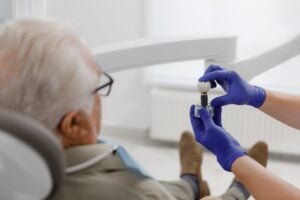
Dental bone grafts for implants restore lost jawbone so a dental implant has enough support. Bone grafting adds or rebuilds bone volume and shape using bone material placed where the implant will go. Strong bone helps the implant stay stable and last longer.
Who Typically Needs A Bone Graft?
Missing teeth for a long time
When a tooth is gone, the jawbone around that spot can shrink over months and years. If too much bone is lost, an implant won’t have enough support.
Tooth extractions and infections
Big extractions or infections can damage bone. If infection destroys bone or leaves a large socket, a graft may be needed to rebuild the area before an implant.
Sinus-related bone loss (upper back teeth)
Upper back teeth sit under the sinus. When bone shrinks there, a sinus lift (a type of graft) lifts the sinus floor and adds bone so implants can be placed.
How Dentists Diagnose The Need For Bone Grafting
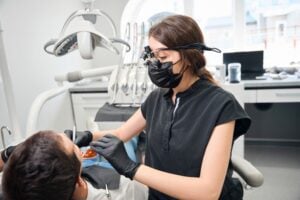
Dentists start with a clinical exam and dental X-rays. If more detail is needed, a 3D CBCT scan measures bone height and width precisely. These images help the team plan grafts and implants with accuracy.
Types Of Bone Grafts And Materials
Autograft (your own bone)
Autografts use bone from another site in your body. They integrate very well but require a second surgical site.
Allograft, xenograft, and synthetic options
Allografts (donor human bone), xenografts (animal), and synthetic materials are common. They avoid a donor site and are safe when used properly, though healing times and speed of integration can differ.
What To Expect During A Bone Graft Procedure
Before the procedure
You’ll have a health review, imaging, and discuss sedation options. Follow any instructions on medications and fasting.
During the graft
The dentist places the graft material, often covers it with a membrane, and closes the site with sutures. Local anesthesia and sedation are options for comfort.
Recovery and timeline
Healing can take a few months before an implant is placed. Expect swelling, mild discomfort, and follow-up visits. Watch for increased pain, fever, or unusual drainage and contact your provider if these occur.
Success Rates, Risks, And How To Improve Outcomes
Bone grafts have high success rates when done properly. Risks include infection, graft failure, or delayed healing. You improve outcomes by keeping good oral hygiene, quitting smoking, controlling medical issues like diabetes, and following post-op instructions.
Cost, Insurance, And Financing
Costs vary by graft type, how much bone is needed, additional procedures (like sinus lifts), and imaging. Dental insurance may cover part of the cost but varies by plan. Many practices offer financing or payment plans to make treatment more affordable.
Choosing A Provider For Dental Bone Grafts For Implants in Aurora, IL
Look for providers with implant experience, CBCT 3D imaging, sedation options, and an in-house lab for faster, precise restorations. Specialists who perform both grafting and implants reduce the need for multiple referrals.
About Grand Dental Implant Centers
Grand Dental Implant Centers provides implant-focused care across Illinois, with CBCT imaging, in-house labs, IV sedation, and teams experienced in single and full-mouth implants. Their approach emphasizes modern diagnostics and patient comfort.
Next Steps If You Think You Need A Bone Graft
Bring any dental records and X-rays to your consultation. Ask about CBCT scans, graft options, recovery time, costs, and financing. Schedule an exam or CBCT if recommended to learn whether dental bone grafts for implants in Aurora, IL are right for you.