If you’re searching for the best place to have dental implants, this guide will help you know what to look for at your consultation and what makes care safe and predictable. You’ll learn which provider credentials matter, the tech and materials that improve outcomes, typical implant options and timelines, and the right questions to ask. By the end you’ll feel prepared to choose the best place to have dental implants in Aurora, IL or nearby communities.
How to choose the best place to have dental implants
Provider credentials and experience
Look for clinicians with focused implant training, membership in professional groups, and years of implant cases. Specialty training and ongoing education lower complication risk and improve long-term results. Ask how many implants the doctor places yearly and whether surgeons or general dentists perform the procedures.
Comprehensive treatment planning
A good center begins with a full exam, medical history review, and 3D imaging to check bone and nerve positions. Personalized plans should match your bone health and restorative goals, not a one-size-fits-all recommendation. This reduces surprises and extra procedures later.
Clear communication and patient-centered care
Choose a practice that explains options, shows visual plans, and sets realistic expectations. Clear timelines, photos of similar cases, and step-by-step consent help reduce anxiety and ensure you understand risks, recovery, and maintenance.
Key technologies and materials that matter
3D imaging (CBCT) and digital planning
Cone-beam CT gives a 3D view of bone and vital structures, improving accuracy and reducing surprises during surgery. Digital planning can show implant size and position before any procedure begins.
Intraoral scanners and digital impressions
Digital scans are faster and more accurate than putty impressions. They speed up lab work and usually mean fewer adjustments to crowns or bridges.
Zirconia restorations and in-house labs
Zirconia is durable and looks natural. Practices with on-site labs can control quality better and shorten turnaround times for prosthetics.
What implant options and timelines look like
Single-tooth implants vs. implant-supported bridges
Single-tooth implants replace one tooth and typically need surgery, healing, and a crown. Implant-supported bridges replace several teeth and can avoid damaging adjacent natural teeth.
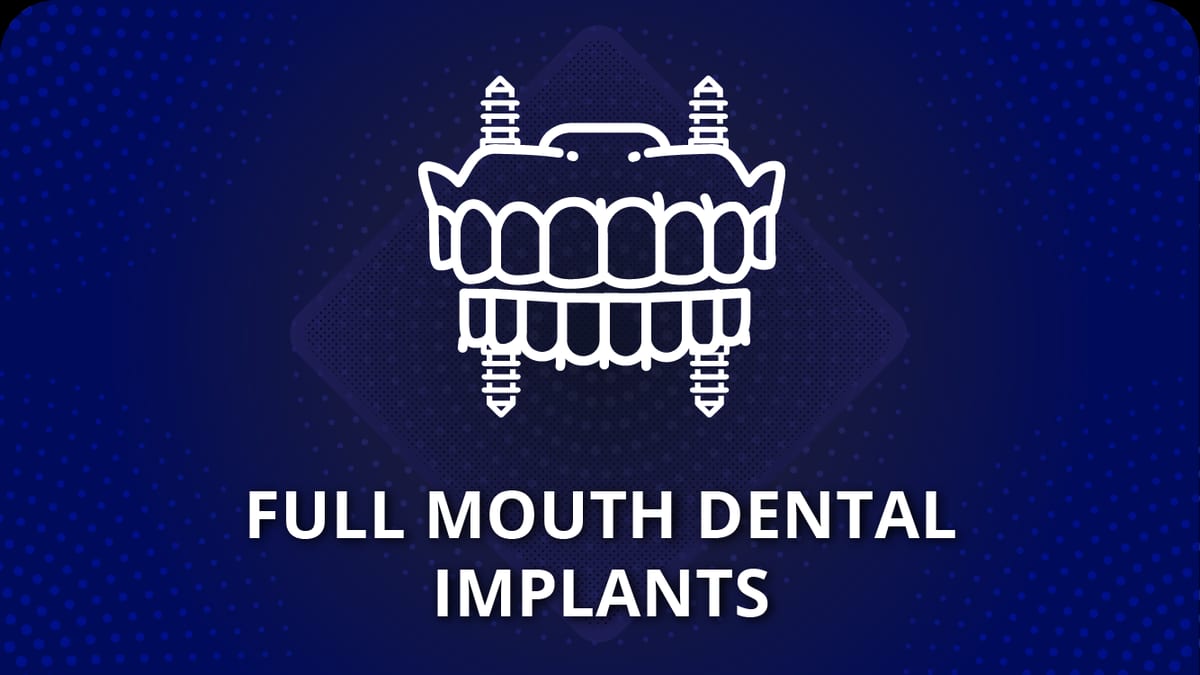
Full-arch solutions (All-on-4 / full-mouth implants)
Full-arch solutions (All-on-4 / full-mouth implants) restore a whole arch with fewer implants and faster provisional timelines. They’re ideal for patients with many failing teeth or dentures seeking fixed solutions.
Bone grafts, sinus lifts, and healing time
If bone is thin, grafts or sinus lifts can add months to treatment but are common and predictable. Healing time varies: single implants may finish in a few months; complex full-arch cases can take longer.
Cost, financing, and insurance basics
Factors that influence cost
Price depends on surgeon experience, implant brand and materials, number of implants, and need for grafting or sedation. Factors that influence cost include these and other variables.
How to pay for implants
Many practices offer payment plans, third-party medical financing, or phased treatment to spread cost. Ask for written estimates and compare options.
Insurance expectations
Dental plans sometimes cover parts of restorative work but often exclude implants. Verify benefits and preauthorization before starting treatment.
Questions to ask at your implant consultation
What are your success rates? Who will perform surgery and the restoration? Do you use CBCT and digital planning? Is there an in-house lab? What sedation options exist? What warranty and follow-up care do you provide?
Why patients choose Grand Dental Implant Centers
Grand Dental Implant Centers focuses on implant care across multiple Illinois locations. They use CBCT imaging, intraoral scanners, zirconia restorations, in-house labs, and IV sedation options to provide start-to-finish implant care aimed at durable, natural results. Financing and patient-centered planning help ease the path to a healthy smile.
Meet a couple of the implant doctors
Dr. Cole Wells — implant specialist with advanced implant training and professional memberships, leading care at Aurora, IL. Dr. Brandon Bice — general dentist with implant and restorative training and experience with full-arch cases.
Preparing for your consultation
Bring your medical history, list of medications, and any prior dental records or x-rays. Expect a CBCT scan, exam, and a clear treatment plan with timelines and costs. To learn more or schedule a consult, contact the practice to request details and availability.