
An implantation procedure replaces missing teeth with surgically placed titanium or zirconia posts that act like natural tooth roots. Patients choose implants to restore chewing, speak more clearly, and improve their smile long-term. This short guide explains what an implantation procedure in Aurora, IL looks like, who is a good candidate, the step-by-step process, recovery, risks, modern materials and tech, and practical next steps so you know what to expect.
What is an implantation procedure?
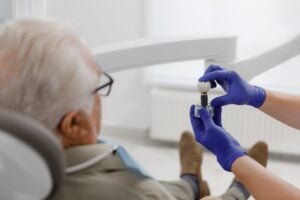
An implantation procedure places a small post into the jawbone to support a crown, bridge, or denture. The goal is to replace missing teeth, restore normal chewing and bite, preserve bone, and provide a stable, natural-looking tooth replacement that can last many years.
Who is a good candidate for the implantation procedure?
– Healthy gums and good oral hygiene – Enough jawbone to hold the implant or willingness to have a bone graft – Realistic expectations about timeline and healing – Non-smoker or ready to quit (smoking raises failure risk) Common exceptions: uncontrolled diabetes, recent head/neck radiation, or certain immune conditions can increase risk. Always consult your implant team to evaluate medical history and options.
Step-by-step: The implantation procedure
Consultation & planning
Your team will review health history, take CBCT 3D scans, and capture digital impressions. These images map the jaw, nerves, and sinuses so doctors can plan implant position and size. Good planning reduces surprises and helps achieve predictable results.
Surgery day: placing the implant
On surgery day you’ll have local anesthesia or optional IV sedation for comfort. The doctor makes a small opening in the gum, places the implant into the bone, and closes the site. The actual placement often takes 30–90 minutes per implant depending on the case. This part of the implantation procedure is typically well tolerated and done in an outpatient setting.
Healing & osseointegration
The implant must fuse with bone — a process called osseointegration — which takes weeks to months. Temporary teeth can be used during healing for appearance and basic function. Once fused, an abutment and final crown, bridge, or denture are attached.
What to expect after the implantation procedure: recovery timeline
– First 24–72 hours: swelling, mild pain, and light bleeding are common. Ice, rest, and pain meds help. – First two weeks: stitches may be removed or dissolve; soft diet recommended. – First few months: gradual return to normal chewing as the implant integrates. Basic care: keep the area clean, avoid smoking, follow soft-food diet, and attend follow-up visits.
Risks and how we manage them
Possible complications include infection, implant failure, nerve irritation, or sinus issues. Modern 3D imaging, sterile surgical technique, antibiotics when needed, and experienced implant teams greatly lower these risks. Early detection and prompt care further reduce complications.
Materials & tech that improve the implantation procedure
CBCT scans guide precise placement. Intraoral scanners speed up and improve impressions. Soft tissue lasers help shape and heal gums. Zirconia restorations offer strong, natural-looking crowns. In-house labs speed turnaround and allow tighter quality control.
Financing, time, and what affects your overall treatment plan
Factors that change cost and timeline include bone grafts, number of implants, single-tooth versus full-arch solutions, and sedation choices. Many practices offer financing plans to spread payments and make care more affordable.
Why choose Grand Dental Implant Centers for your implantation procedure?
Grand Dental Implant Centers offers implant-focused care across Illinois — including Aurora, Lake Zurich, and Wilmington — with experienced implant doctors, IV sedation options, and on-site labs to speed results. The centers emphasize modern imaging and materials for predictable outcomes.
Preparing for an implantation procedure
Schedule a consultation and bring a list of medications, past dental records, photo ID, and insurance information. The team will review options, show your 3D scans, and give a clear treatment timeline so you can plan recovery and finances. Contact the office to get started.