This guide will help you understand the common types of teeth implants, why the differences matter, and which options suit different needs. You’ll learn the basics of endosteal, subperiosteal, zygomatic, mini, and full-arch solutions, plus implant-supported bridges and overdentures. This quick comparison of types of teeth implants Aurora, IL will help you ask the right questions at your consultation.
Common Types Of Teeth Implants
Endosteal (root-form) implants
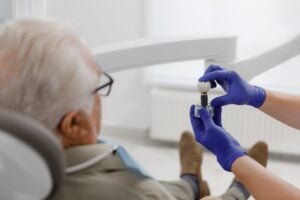
Endosteal implants are the most common. A titanium or zirconia post is placed into the jawbone to act like a tooth root. They support single crowns, bridges, or implant-retained dentures. Benefits include strong stability and long-term success. Dentists usually recommend them when there is enough healthy bone and the patient wants a permanent, natural-feeling result.
Subperiosteal implants
Subperiosteal implants use a metal framework placed on top of the jawbone but under the gum. They are an option for people with low bone height who want to avoid bone grafting. Pros: avoid extensive grafts and can fit shallow bone. Cons: they are used less often today and may have higher long-term risks than root-form implants.
Zygomatic implants
Zygomatic implants anchor into the cheekbone (zygoma) instead of the upper jaw. They are for patients with severe upper jaw bone loss who can’t get standard implants easily. These are more complex and typically placed by specialists. Zygomatic implants can avoid multiple grafting surgeries and provide stable support for full-arch restorations.
Mini dental implants (MDIs)
Mini dental implants are smaller-diameter implants used when bone width is limited or for temporary support. They often stabilize lower dentures and are less invasive to place. Benefits include quicker placement and lower cost. Limits: they may not support all permanent restorations and can be less durable for heavy chewing forces.
All-on-4 / Full-arch implant solutions
All-on-4 and similar full-arch options use four or more implants to support a fixed prosthesis that replaces an entire arch of teeth. They often allow immediate function, meaning a temporary arch can be attached soon after surgery. This approach benefits people who want a fast, fixed solution for most or all missing teeth.
Implant-supported bridges and overdentures
Implant-supported bridges use implants to replace several missing teeth in a row. Overdentures attach to implants but remain removable for cleaning. Fixed bridges feel more like natural teeth; overdentures can be easier to clean and repair. Choice depends on patient comfort, hygiene, and budget.
Who Is A Good Candidate For Each Type?
Good candidacy depends on bone volume and quality, overall health, smoking status, and gum disease control. Endosteal implants need enough bone; subperiosteal or zygomatic implants help when bone is poor. Mini implants suit limited budgets or narrow bone. Health issues like uncontrolled diabetes or heavy smoking raise risk for implant problems. Your goals also shape the choice.
What To Expect: Planning, Procedure, And Recovery
Consultation and 3D planning
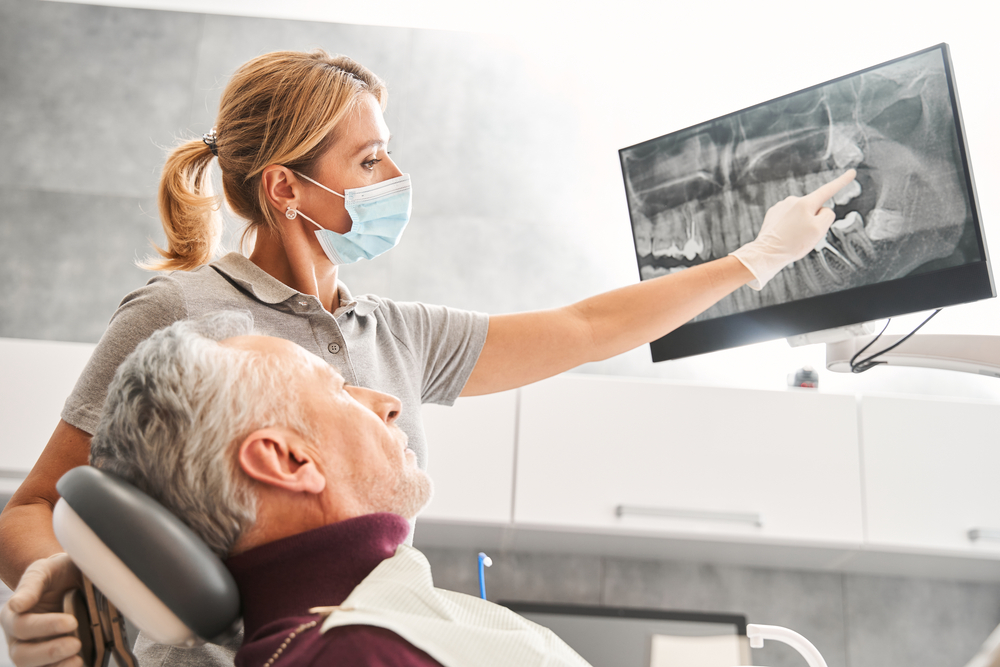
Dentists use CBCT scans and digital impressions to assess bone and plan placement precisely. 3D planning helps choose the best implant type and avoid nerves or sinuses.
Surgery and healing timeline
Typical steps are implant placement, a healing period for osseointegration (often several months), then final restoration. Discomfort is usually mild and manageable. Follow-up visits check healing and fit.
Restoration and maintenance
After healing, crowns, bridges, or arches are attached. Good oral hygiene, regular checkups, and avoiding tobacco keep implants healthy long term.
Benefits And Risks
Main benefits
Implants restore chewing and speech, preserve jawbone, and last longer than bridges or dentures. They offer better comfort and function than many alternatives.
Possible risks and complications
Risks include infection, implant failure, and sinus issues with upper implants. Careful planning and treatment by experienced clinicians reduce these risks.
Cost, Insurance, And Financing Basics
Costs vary by implant type, number of implants, and extra procedures like grafts or extractions. Dental insurance may cover parts but often limits implant coverage. Many offices offer financing and itemized plans so you can compare options.
About Grand Dental Implant Centers And Our Implant Expertise
Grand Dental Implant Centers provides implant-focused care across Illinois, including Aurora, Lake Zurich, and Wilmington. We use CBCT imaging, in-house labs, zirconia restorations, soft-tissue lasers, and IV sedation to support comfort and precision. Dr. Cole Wells and Dr. Brandon Bice lead implant care, offering single-tooth, full-arch, and complex solutions with a patient-first approach.
Next Steps: How To Learn Which Type Of Teeth Implants Are Right For You
Schedule a consultation to get a personalized 3D treatment plan comparing the types of teeth implants Aurora, IL. A focused exam and CBCT scan will show which option fits your bone, health, and goals so you can choose confidently.