
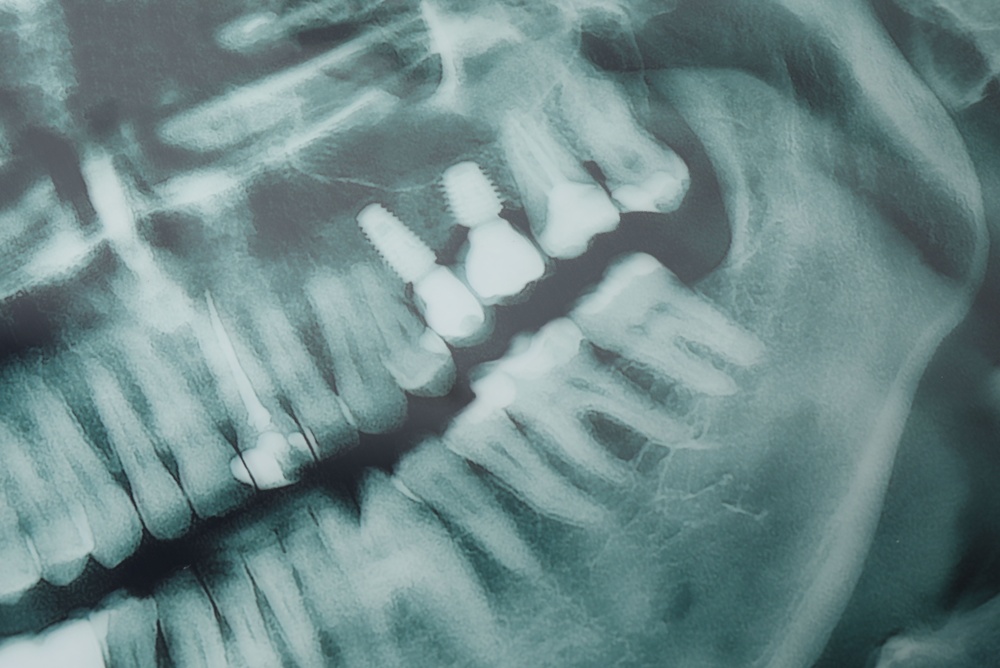
Dental implants are artificial tooth roots placed in the jaw to hold a crown, bridge, or full-arch prosthesis. This post answers the common question: how long do tooth implants last in Aurora, IL, and what affects their lifespan. You’ll get clear, practical info on durability, routine care, warning signs, and when to see a dentist so your implant can last as long as possible.
What a dental implant is and the parts that matter
A dental implant has three main parts: the implant body (usually titanium or zirconia) that fuses with bone, the abutment that connects the implant to the visible tooth, and the crown or prosthesis you chew with. Each piece has a different role and lifespan: the implant fixture is rated to last longest, while crowns or prosthetics wear and may need replacement sooner.
How long do tooth implants last: typical timelines
Implant fixtures can last decades and often remain stable for the rest of a patient’s life with proper care. Crowns and prosthetics generally need replacement every 10–15 years because of wear, chips, or cosmetic changes. Individual results vary based on health, load on the tooth, and maintenance, so use the timelines as a realistic range rather than a guarantee.
Key factors that determine implant longevity
Implant material and restoration type
Titanium implants have a long history of success; zirconia implants are an alternative with good outcomes in select cases. A single crown typically lasts longer than a heavily loaded bridge or a full-arch prosthesis because of differences in force and complexity.
Bone quality and oral health
Strong, healthy jawbone and gums are essential. If bone is thin or gum disease is present, the risk of implant failure rises. Proper treatment of periodontal disease and bone grafting when needed improve long-term success.
Surgical placement and prosthetic fit
Accurate implant placement, a well-fitting abutment, and proper bite (occlusion) spread forces evenly. Poor placement or a poorly designed prosthesis can cause loosening, fracture, or bone loss over time.
Patient habits and systemic health
Smoking, teeth grinding (bruxism), uncontrolled diabetes, and certain medications increase failure risk. Healthy habits, night guards for grinders, and managing chronic conditions help implants last longer.
How to extend the life of tooth implants
Keep implants clean with daily brushing and flossing or interdental brushes, and get professional cleanings and X-rays at recommended intervals. Use a night guard if you grind, quit smoking, and follow medical advice for diabetes or other health issues. Regular check-ups catch small problems before they become major.
Warning signs of implant problems
See your dentist right away for pain, movement of the implant, swelling, pus, gum recession around the implant, or sudden bite changes. Early evaluation can often save the implant or prevent more extensive treatment.
Repair vs. replacement: what to expect over time
Most maintenance is prosthetic: replacing crowns, re-tightening abutments, or polishing. Full implant replacement is uncommon but may be needed if osseointegration fails or severe bone loss occurs. Replacement may require bone grafting and staged care to rebuild lost structure.
Why choose an implant-focused practice for long-term results
An implant-focused center offers CBCT 3D imaging, digital scans, zirconia restorations, and in-house labs to plan precisely and control quality. These tools, plus sedation and financing options, can improve comfort, predictability, and the chances your implants last for many years.
Next steps: getting an evaluation
If you’re wondering how long do tooth implants last in Aurora, IL, schedule an implant consult. Expect an exam, CBCT imaging, a discussion of risks and timelines, and a personalized maintenance plan. Book an assessment to get answers tailored to your health and goals.