If you’re missing most or all of your teeth, full mouth implants can restore function, comfort, and confidence. Full mouth implants are a fixed or removable prosthesis anchored to dental implants placed in the jaw. This post will explain what they are, who benefits, the steps involved, risks and costs, and how to decide if this treatment could be right for you. Goal: help you decide if full mouth implants are the best option and what to ask a provider at your consultation.
What Are Full Mouth Implants?
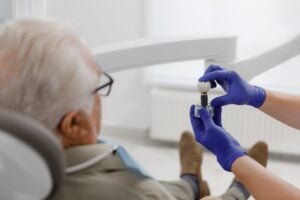
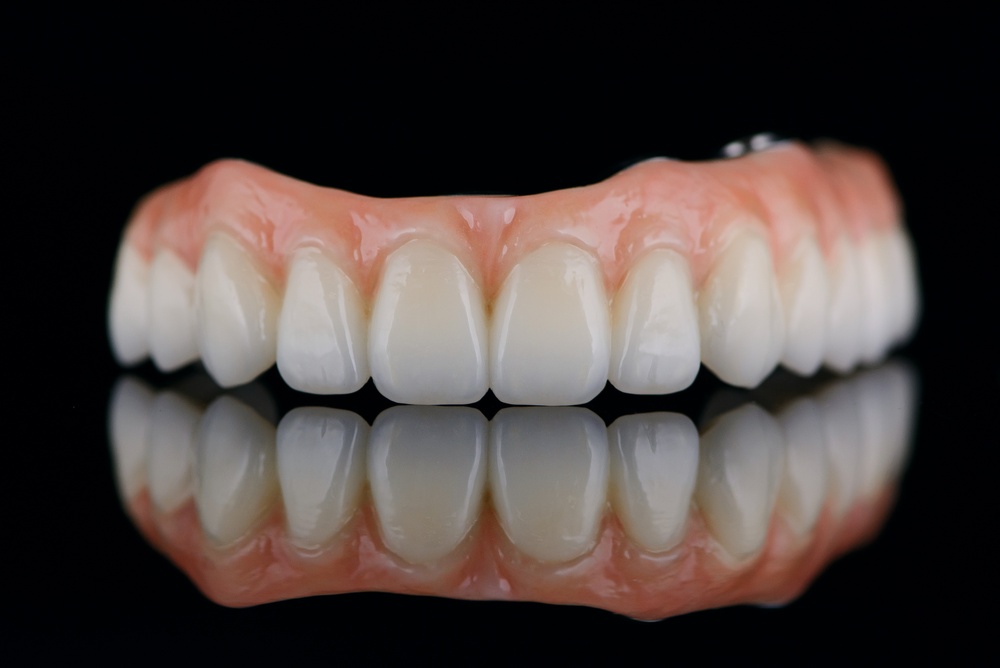
Full mouth implants (also called full-arch implants, implant-supported dentures, or All‑on‑4/All‑on‑6) replace an entire upper or lower set of teeth. Unlike traditional dentures that sit on the gums, implants act like tooth roots and anchor a prosthetic arch. Prostheses can be fixed (not removed by the patient) or removable (snap-on overdentures). Implants maintain jawbone and support natural chewing forces.
Benefits Of Full Mouth Implants
Full mouth implants restore chewing power, improve speech, and prevent the bone loss that follows missing teeth. They are more stable than traditional dentures, reduce gum sores and slipping, and offer a natural appearance. Many patients report big quality-of-life gains: easier eating, better nutrition, and more confidence. With proper care, implants and modern materials like zirconia can last many years.
Who Is A Good Candidate For Full Mouth Implants?
Good candidates are adults missing most teeth or stuck with failing teeth who want a lasting solution. Adequate bone is needed to hold implants; if bone is low, grafting may be required. General health matters — uncontrolled diabetes, heavy smoking, or certain medications can affect success. Candidates must be able to follow oral hygiene and attend follow-ups. Sometimes simpler options (partial dentures or fixed bridges) are better for limited needs or medical limits.
How The Full Mouth Implant Process Works
Consultation and 3D Imaging
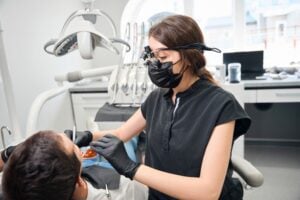
A full exam and medical review come first. CBCT (cone-beam CT) and digital scans map jaw anatomy and nerves so implants are planned precisely. Your provider will discuss goals, timelines, and costs.
Surgery and Immediate Restoration
Surgery places implants into the jaw under local anesthesia or IV sedation. Some workflows deliver a temporary fixed set the same day (immediate loading); others use a healing period before attaching the final prosthesis. Sedation options and pain control are discussed beforehand.
Final Prosthesis and Materials
Final restorations range from acrylic hybrid bridges to high-strength zirconia arches. In-house labs and digital workflows speed adjustments and improve fit. Your provider will choose materials based on function, esthetics, and budget.
Recovery, Maintenance, And Risks
Initial recovery takes days to weeks; expect swelling and light pain managed with meds. Soft foods are common while implants integrate (3–6 months). Ongoing care includes gentle cleaning around implants and regular checkups. Risks include infection, implant failure, and peri-implantitis; careful planning, good hygiene, and smoking cessation lower these risks.
Cost Factors And Financing Options
Costs depend on number of implants, need for bone grafts or extractions, prosthetic material, and lab work. Insurance may cover parts of care but often not the full implant cost. Many practices offer financing, monthly plans, or third-party lenders to spread payments. For more information, read our 5 questions to ask about affordable dental implants by Aurora, IL.
How To Decide If Full Mouth Implants Are Right For You
Checklist: Are you missing most teeth or unhappy with dentures? Do you have reasonable health and bone or willingness for grafting? Can you commit to hygiene and follow-ups? Ask providers about their full-arch experience, CBCT use, sedation options, lab capabilities, and warranties. Get a written treatment plan and consider a second opinion if unsure.
Why Choose Grand Dental Implant Centers For Full Mouth Implants
Grand Dental Implant Centers offers implant-focused care with CBCT imaging, in-house labs, zirconia restorations, and IV sedation. Their Aurora team — including Dr. Cole Wells and Dr. Brandon Bice — has focused training in full-arch treatments. The practice emphasizes a start-to-finish approach aimed at reliable function and comfortable care for patients seeking full mouth implants Aurora, IL.
Next Steps: Scheduling A Consultation
Bring a list of medications, past dental records, and photos of your smile. Expect an exam, 3D imaging, and a clear treatment plan with options and costs. A tailored plan will show whether full mouth implants Aurora, IL are the best choice for your health and lifestyle.