If you’re searching for a dental implant dentist Lake Zurich IL, this guide explains the options, what to expect, how to choose a doctor, costs, and the next steps for getting implants near Lake Zurich. It’s written for adults who are missing teeth, wearing loose dentures, or who want a long-term way to restore chewing, speech, and a natural smile. Read on to learn the types of implants, the typical treatment timeline, technology that improves results, and practical tips for choosing the right provider.
What Are Dental Implants and Who Needs Them?
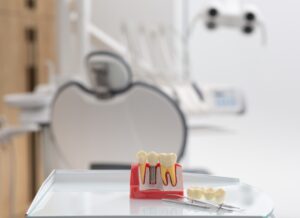
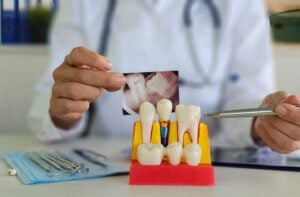
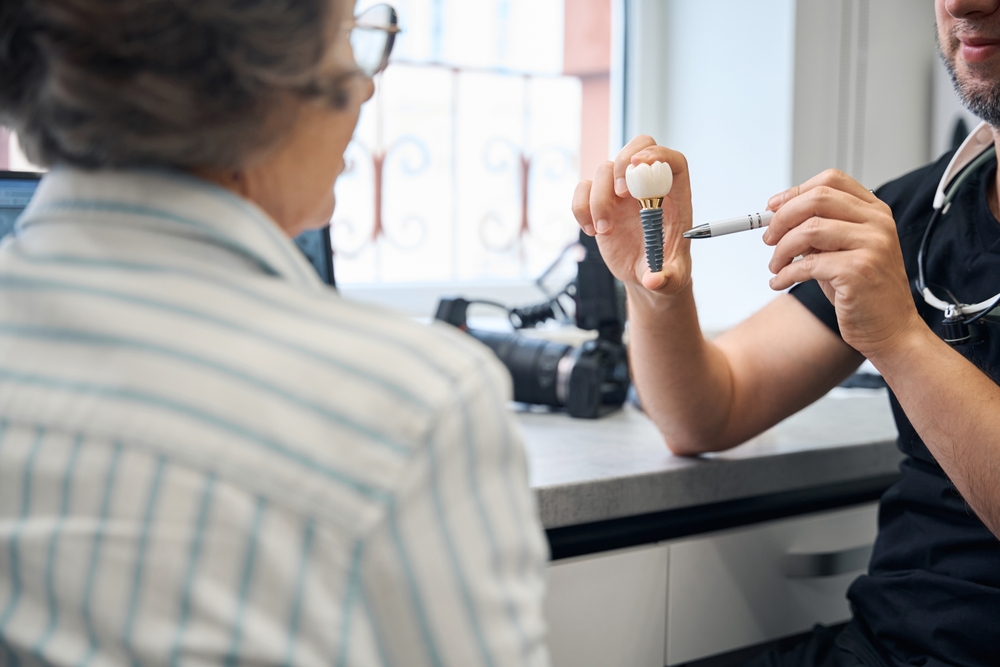
Dental implants are titanium or ceramic posts placed into the jawbone to replace missing tooth roots. A typical implant restoration has three parts: the implant (the post), an abutment that attaches to the implant, and a crown or prosthesis that looks like a tooth. People who commonly see an implant dentist include those with one or more missing teeth, patients with loose or ill-fitting dentures, and those with bite or jaw problems caused by tooth loss. Implants restore chewing function, support surrounding teeth, preserve bone, and often improve appearance and long-term oral health.
Types of Implant Solutions
Single-Tooth Implants
Single-tooth implants replace one missing tooth with an implant and a crown. They’re ideal when an adjacent tooth is healthy and don’t require altering neighboring teeth like a bridge would. Recovery and costs are generally lower than multi-tooth options.
Implant-Supported Bridges
When two or more teeth in a row are missing, an implant-supported bridge uses implants as anchors for a multi-tooth restoration. This option avoids using natural teeth as supports and can be more stable than a traditional bridge.
Full-Arch Implants (All-on-4 / All-on-X)
Full-arch solutions replace an entire upper or lower set of teeth using four or more implants that support a fixed prosthesis. All-on-4 and All-on-X protocols can often provide same-day temporary teeth and are suited for patients who need full-mouth rehabilitation.
Removable vs Fixed Prostheses
Some implant restorations are fixed (permanent in the mouth) and some are removable (snap-in overdentures). Fixed prostheses feel more like natural teeth and usually require more implants. Removable options can be more affordable and easier to clean for some patients. A dental implant dentist near Lake Zurich will recommend the right type based on bone, budget, hygiene ability, and lifestyle.
What to Expect: The Implant Treatment Timeline
Consultation and Exam
A consult includes a medical/dental history, oral exam, and review of goals. Your clinician will evaluate bone levels, gum health, and overall risk factors. Expect discussion of options and an initial cost estimate.
Imaging and Treatment Planning
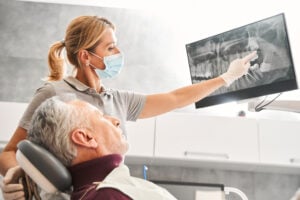
CBCT 3D imaging and digital scans help plan the implant position and identify any need for grafting. A clear plan reduces surprises and helps estimate timeline and costs.
Surgery and Healing (Osseointegration)
Surgery to place implants typically takes one visit per site. Healing (osseointegration) usually takes 3–6 months as bone fuses to the implant, though some cases and techniques shorten this interval. If bone grafts or sinus lifts are needed, healing time may increase.
Final Restoration
Once healed, an abutment and crown or prosthesis are placed. For full-arch cases, a temporary prosthesis may be delivered same day, with a final restoration after healing. Factors like smoking, medical conditions, and bone quality can speed up or lengthen the total timeline.
Key Technologies That Improve Results
CBCT 3D imaging provides detailed views of bone and nerves, enabling safer, more precise implant placement. Intraoral scanners replace messy impressions with digital files for accurate restorations and faster lab work. Soft-tissue lasers help manage gum health and reduce healing time around implants. Zirconia restorations offer durable, tooth-colored prosthetics with strong esthetics. In-house dental labs let clinicians control fit and timelines more tightly, often speeding delivery and adjustments. Together, these tools make implant care more predictable and comfortable.
How to Choose the Right Dental Implant Dentist in Lake Zurich, IL
Look for training and relevant credentials, documented experience placing implants (including full-arch cases if needed), and before-and-after photos. Check whether the practice uses CBCT imaging, intraoral scanning, and an in-house lab. Ask about sedation options like IV sedation if you have anxiety. Read patient reviews and confirm follow-up care and implant warranties. Key questions to ask at your consult: How many implants do you place per year? Do you perform bone grafts and full-arch cases here? Will you use CBCT and digital planning? What sedation options and aftercare are offered? What are all the costs and payment options?
Costs, Insurance, and Financing Options
Implant cost is affected by number of implants, need for bone grafts or sinus lifts, type of restoration (single crown vs bridge vs full-arch), and the dentist’s experience. Dental insurance may cover part of the restoration or crown but often excludes implants themselves; medical coverage is rare. Many implant practices offer financing plans, third-party medical credit, or in-house payment options to spread cost. When comparing estimates from different dental implant dentists near Lake Zurich, IL, confirm whether quotes include the surgical fee, imaging, grafting, temporary teeth, final prosthesis, and follow-up care to compare apples-to-apples.
Risks, Recovery, and Long-Term Care
Short-term risks include swelling, bleeding, infection, and temporary numbness. Watch for prolonged severe pain, spreading swelling, fever, or unusual drainage — these warrant prompt contact. Recovery tips include following all post-op instructions, avoiding smoking, keeping the surgical site clean, and taking prescribed medications. Long-term care involves daily oral hygiene, periodic professional cleanings, and regular implant check-ups. Most implants last many years with proper care; maintaining gum health and seeing your dentist for routine exams is key.
How to Handle Implant Complications and Revisions
If an implant fails or complications occur, your dentist will use clinical exam and CBCT imaging to diagnose infection, bone loss, loose prosthetics, or implant fractures. Options may include treating infection, revising or replacing the prosthesis, bone grafting, or removing and later replacing an implant. Early intervention often prevents more extensive treatment. Seek care quickly if you notice increasing pain, mobility of the implant or prosthesis, or signs of infection.
About Grand Dental Implant Centers Near Lake Zurich, IL
Grand Dental Implant Centers has offered implant-focused care across Illinois since 1987 with locations serving the Lake Zurich area. The practice emphasizes advanced imaging (CBCT), intraoral scanning, in-house labs, and zirconia restorations to improve precision and turnaround. Grand Dental provides options like IV sedation for comfort and financing to help patients access full-mouth and single-tooth implant solutions. The team aims for a patient-first approach that balances clinical expertise with a neighborhood practice feel.
Patient Stories, Next Steps, and How to Book a Consultation
Review before-and-after photos and patient testimonials to understand typical outcomes. For your consult, bring a list of medications, medical and dental history, any current dental records or X-rays, and questions about timelines, costs, and sedation. Ask for a written treatment plan and estimate. To request a consultation with a dental implant dentist near Lake Zurich, IL, call Grand Dental Implant Centers or use their online form. A friendly team member can help schedule an implant evaluation, explain financing, and tell you what to bring to your first visit. If you’re ready to explore implants, contact Grand Dental Implant Centers to set up an evaluation and personalized treatment plan.