
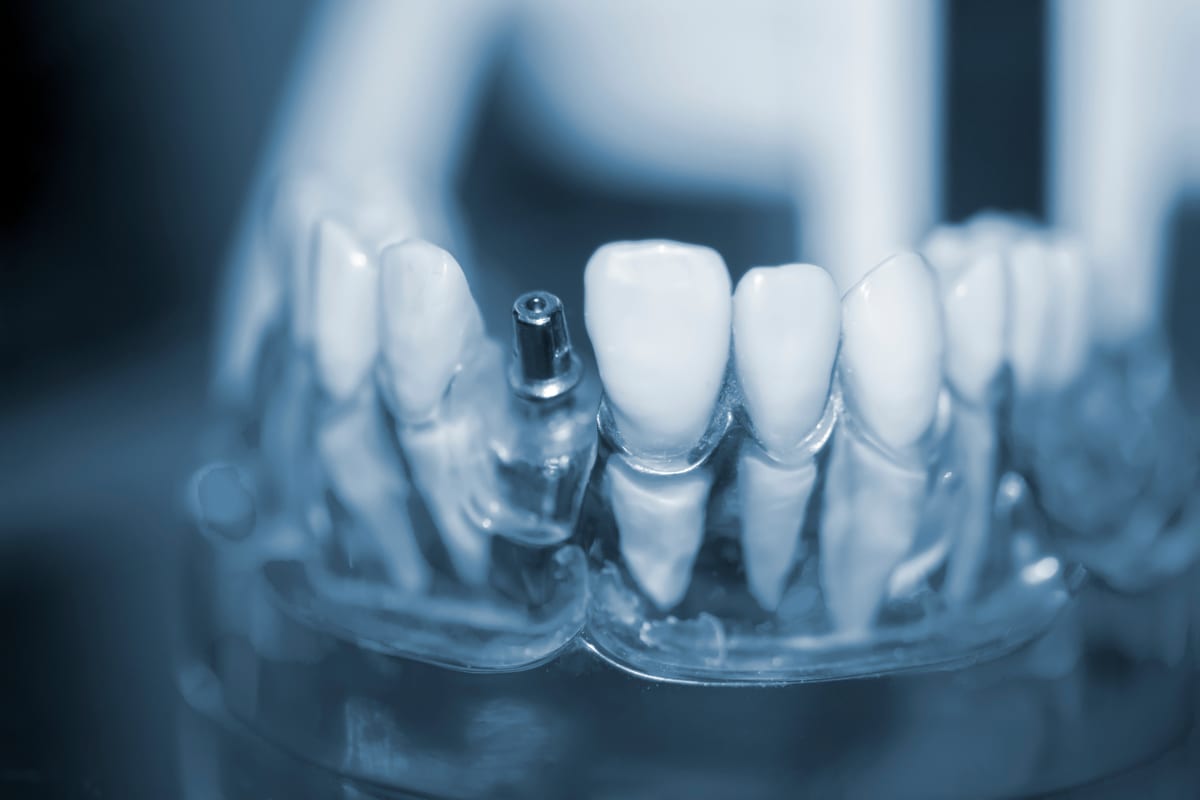
If you’re searching for a dental implant dentist Aurora, IL, this guide will help. You’ll learn why qualifications matter, what modern tech improves outcomes, common treatment options, who makes a good candidate, what to expect during evaluation and recovery, cost basics, questions to ask at your consult, and how to schedule a visit. Knowing these points helps you choose a trusted dental implant dentist Aurora, IL who can give safe, long-lasting results.
Why choose a qualified dental implant dentist Aurora, IL?
What “qualified” means
A qualified dental implant dentist Aurora, IL has training and real experience placing implants. Look for specialized education, continuing training, and membership in groups like the ADA, ISDS, or AAID. Qualifications also mean documented cases, before-and-after photos, and patient reviews that show consistent results.
How qualifications affect your results
More experience and better training lower the risk of complications. A skilled dental implant dentist Aurora, IL can plan the implant position, protect nerves and sinuses, and fit restorations that look and work like natural teeth. That skill helps implants last longer and reduces the chance of extra procedures later.
Modern implant technology that improves outcomes
Cone-beam CT (CBCT) and digital planning
CBCT 3D scans give a clear view of bone, nerve paths, and sinus spaces. A dental implant dentist Aurora, IL who uses CBCT can place implants more precisely, avoid problems, and plan for grafts if needed. Digital planning often shortens surgery time and improves safety.
Intraoral scanners, soft-tissue lasers, and zirconia restorations
Digital intraoral scanners replace messy molds and make crowns fit better. Soft-tissue lasers help shape gums and manage inflammation around an implant site. Zirconia restorations offer strong, natural-looking crowns and bridges that resist stains and wear. A practice that uses these tools can give a smoother care experience.
In-house dental labs
An in-house dental lab lets a dental implant dentist Aurora, IL control quality and speed up delivery of crowns and bridges. Faster turnaround can mean fewer visits and tighter fit between the implant and the final restoration.
Common treatment options from a dental implant dentist Aurora, IL
Single-tooth implant and crown
This replaces one missing tooth. The implant post is placed in the bone, allowed to heal, and then fitted with an abutment and crown. It feels and functions much like a natural tooth without altering adjacent teeth.
Implant-supported bridge vs. traditional bridge
An implant-supported bridge uses implants to hold multiple replacement teeth and does not rely on grinding down neighboring teeth. It preserves bone and often lasts longer than a traditional bridge.
Full-arch solutions (All-on-4 / full-mouth implants)
Full-arch options replace all upper or lower teeth using fewer implants. These solutions are for patients with many failing or missing teeth who want fixed, stable teeth. Timelines vary, but many providers can restore function in a matter of months.
Bone grafts and sinus lifts
If jawbone is thin, a dental implant dentist Aurora, IL may recommend bone grafts or a sinus lift to build enough support. These procedures add steps and healing time but are common and often necessary for a successful implant.
Who is a good candidate for dental implants?
Good candidates are in generally good health, have enough jawbone (or are willing to have grafting), and practice good oral hygiene. Heavy smoking, uncontrolled diabetes, and some medical conditions can increase risks. A dental implant dentist Aurora, IL evaluates medical history, bone volume with CBCT, and oral health before recommending implants.
What to expect at evaluation, surgery, and recovery
Initial consult and diagnostics
Expect an exam, X-rays or CBCT scan, and digital impressions. Your dental implant dentist Aurora, IL will review options, timelines, and a treatment plan with expected costs and follow-up visits.
Sedation and comfort options
Procedures may be done with local anesthesia, oral sedation, or IV sedation depending on complexity and patient comfort. Ask your dentist about what’s available and how they monitor safety during sedation.
Recovery, follow-up, and long-term care
Initial healing takes a few weeks; bone integration takes a few months. You’ll need follow-up visits to check healing and then periodic checkups after your restoration is placed. Good home care and regular dental visits help implants last for decades.
Costs, insurance, and financing for dental implants near Aurora, IL
Factors that change price
Costs vary by number of implants, need for bone grafts or sinus lifts, material choices like zirconia, and lab work. Complex full-arch cases cost more than single-tooth implants.
Insurance coverage and payment options
Many dental plans cover parts of implant treatment but often with limits. Medical insurance rarely covers implants. Many implant dentists Aurora, IL offer financing plans, third-party lenders, or phased treatment to make care more affordable.
Questions to ask a dental implant dentist Aurora, IL at your consultation
Ask about training and number of implants placed, success and complication rates, use of CBCT and digital planning, whether they have an in-house lab, available sedation options, warranty or maintenance plans, and financing choices. Bring a list of medications and health history so they can advise safely.
About Grand Dental Implant Centers by Aurora, IL
Grand Dental Implant Centers has an Aurora location. Founded in 1987, the practice focuses on implant dentistry with on-site labs, CBCT imaging, and IV sedation. Key clinicians at Aurora include Dr. Cole Wells and Dr. Brandon Bice, both active in continuing education and patient-focused implant care. Their technology and team aim to support more complex implant cases and faster, well-controlled restorations.
Scheduling a consultation with a dental implant dentist Aurora, IL
To book, bring any recent dental X-rays, a list of medications, and questions about CBCT, sedation, and financing. Request a CBCT consult if you want a detailed 3D evaluation. Many offices, including implant-focused centers, offer financing or phased plans to help make treatment feasible. Call or use online booking to set a consult and start a clear, personalized plan with a dental implant dentist Aurora, IL.

![{"error":"[GoogleGenerativeAI Error]: Error fetching from https://generativelanguage.googleapis.com/v1beta/models/gemini-2.0-flash:generateContent: [429 Too Many Requests] Resource exhausted. Please try again later. Please refer to https://cloud.google.com/vertex-ai/generative-ai/docs/error-code-429 for more details."}](https://www.granddentalimplantcenters.com/wp-content/uploads/2026/02/featured-image-ba84c069-300x200.jpg)