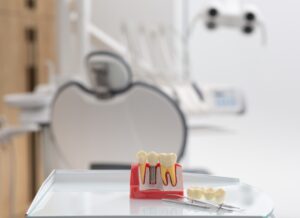

Dental implants are artificial tooth roots placed into the jaw to hold crowns, bridges, or full-arch prostheses. This post explains the long term effects of dental implants, what patients typically experience over time, and practical steps to support lasting results so your new teeth stay healthy and functional for years.
How Dental Implants Work
An implant system has three parts: the metal implant placed into bone, the abutment that connects to the implant, and the crown or prosthesis that looks like a tooth. After placement the implant bonds to the jawbone through osseointegration, a process where bone grows tightly around the implant surface, creating a stable foundation similar to a natural tooth root.
Typical Short-Term Healing and When It Becomes “Long Term”
Initial healing takes weeks to months. Soft tissue usually heals in 1–2 weeks, while full osseointegration can take 3–6 months depending on bone quality and health. Clinicians often call outcomes “long term” after one year, and many studies report multi-year success at 5, 10, or more years when maintenance is consistent and risk factors are controlled.
Long Term Effects Of Dental Implants
Long-term effects of dental implants are largely positive. Functionally, implants restore chewing strength, improve speech, and help preserve jawbone by transferring chewing forces into bone, which slows bone loss and prevents neighboring teeth from shifting. Aesthetically and emotionally, many patients gain confidence and comfort from a natural-looking, permanent tooth replacement.
Potential Long-Term Complications
Some issues can arise over time. Peri-implantitis is inflammation and bone loss around an implant; left untreated it can lead to failure. Mechanical issues include crown wear, screw loosening, or prosthesis fracture. Risk factors that raise complication chances include smoking, uncontrolled diabetes, poor oral hygiene, and bruxism (teeth grinding). Early signs include redness, bleeding, pain, or mobility.
How To Maximize Implant Longevity
Daily care matters: brush twice daily, floss or use interdental brushes, and consider water flossers around implants. Professional care includes regular dental exams, cleanings, and periodic X-rays to check bone levels. Lifestyle steps — quitting smoking, controlling blood sugar, and using a nightguard if you grind teeth — reduce stress on implants and lower complication risks.
What To Ask Your Implant Team Before Treatment
Ask about the clinician’s implant experience and success rates, expected lifespan of the restoration, and maintenance needs. Request details on imaging and planning (CBCT), material choices like zirconia vs. other options, and who will handle long-term follow-up and repairs. Knowing the plan for monitoring and emergencies helps set realistic expectations.
Why Choose a Dedicated Implant Center
A dedicated implant center can improve planning and outcomes. Grand Dental Implant Centers in Illinois (Aurora, Lake Zurich, Wilmington) emphasizes implant-focused care using CBCT 3D imaging, intraoral scanning, zirconia restorations, soft-tissue lasers, and in-house labs for faster, precise results. Experienced teams and on-site labs can streamline treatment and make repairs or adjustments quicker.
If you’re considering implants, schedule a consult to review your health, bone, and lifestyle factors so you understand your individual risks and a personalized maintenance plan. With careful planning, good daily care, and regular professional follow-up, patients can enjoy the many long term effects of dental implants: better function, preserved bone, and improved quality of life.