
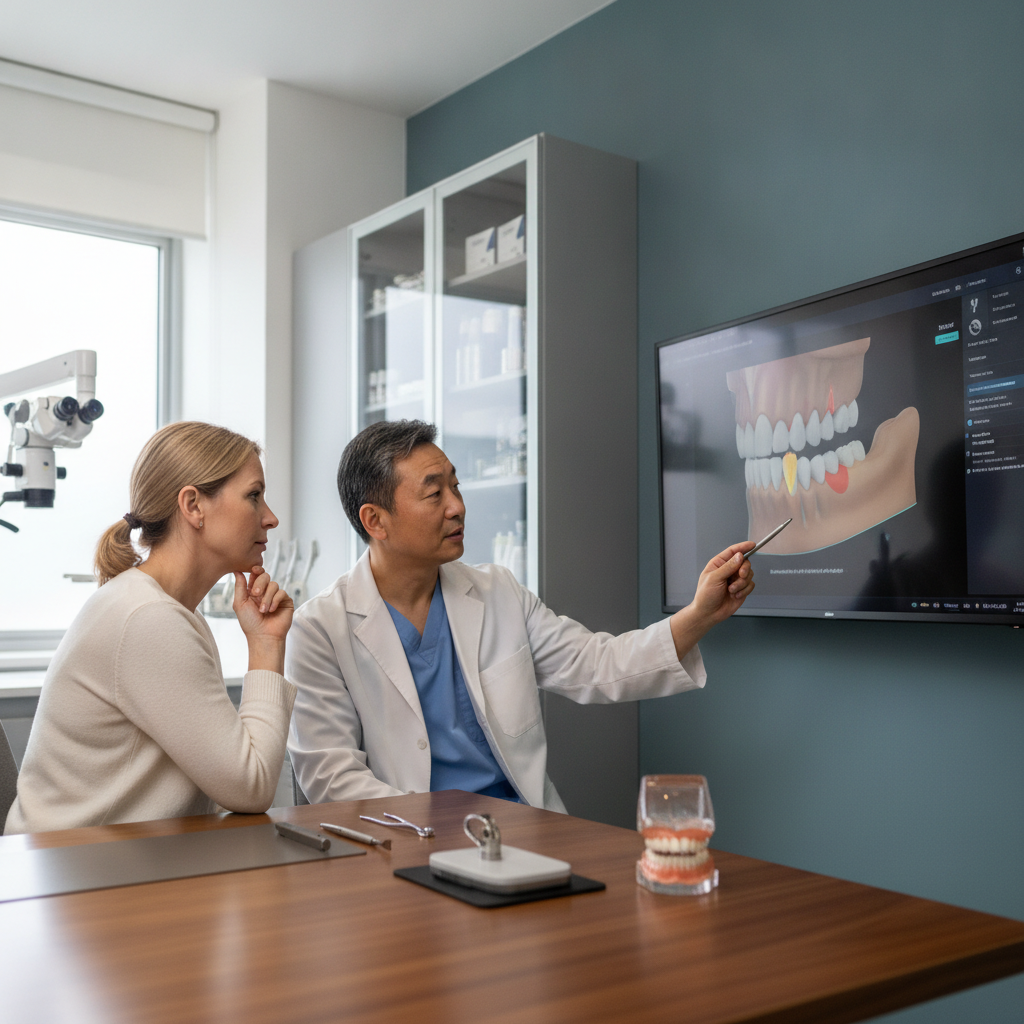
Your implant felt great for months, and now something is off: a dull ache, puffy gums or a tooth that feels a little loose when you bite. When that happens, a dental implant complications referral to a specialist can get you answers before a small problem grows.
Dental implants work well for most people, but complications can happen. Spotting the warning signs early and getting specialized care can save you from more discomfort and protect the investment you made in your smile.
What Dental Implant Complications Look Like
Dental implant complications can show up in different ways and at different times. Some appear in the first weeks after surgery, while others develop years later. They might include pain, inflammation or a problem with the implant itself.
Knowing what these complications look like helps you recognize when it’s time to get an expert opinion, instead of hoping it will settle down on its own.
Common Causes of Implant Failure
Several things can cause a dental implant to fail. One of the most common is peri-implantitis, an inflammation of the gum and bone around the implant, much like gum disease around a natural tooth.
Another cause is a lack of osseointegration, which means the implant never fully bonds with the jawbone. Poor positioning and too much stress on the implant, such as from grinding your teeth, can also lead to problems.
Smoking, uncontrolled diabetes, and skipping cleanings raise the risk, too. Those factors don’t mean an implant will fail, but they make regular checkups even more important.
Signs You Need a Dental Implant Specialist
How do you know when to see a specialist? Pain, swelling, or movement around the implant are signs you shouldn’t ignore. A specialist can look closer, find what’s causing the problem, and recommend a solution that fits your situation.
Persistent Pain and Swelling
Some soreness is normal in the days right after implant surgery. Pain and swelling that last longer, or that show up months later, could point to an underlying problem that needs a professional look.
An Unstable or Loose Implant
If your implant feels loose or shifts when you chew, it’s time to see a dental implant expert. Sometimes the issue is a loose screw or crown, which can be fixed quickly. Other times it means the implant itself needs attention.
Advanced, Personalized Treatment for Implant Complications
At Grand Dental Implant Centers, patients have access to advanced technology and treatment plans built around them. Our implant team handles complications with careful evaluation and up-to-date implant techniques.
Why Personalized Care Matters
Every patient’s situation is different, so an individual evaluation is key to treating implant complications. Two people with a loose implant may need very different solutions depending on their bone, gums, and health history.
How Technology Helps
Tools like CBCT 3D imaging and digital planning give the team a precise view of the implant and the bone around it, which helps with both diagnosing and correcting the problem.
Cost and Time for Treating Implant Complications
Cost and time are big concerns when you’re dealing with an implant problem. The cost depends on how much treatment you need and which materials are used.
How long treatment takes depends on the complication and on how your body heals. We’ll walk you through the plan, the timeline, and financing options before anything begins.
How Grand Dental Implant Centers Handles Complications
With full-mouth solutions, implant bridges, and same-day implants, Grand Dental Implant Centers is set up to handle dental implant issues. Zirconia restorations and IV sedation given by board-certified anesthesiologists help keep treatment comfortable and support long-term results.
When to Contact a Dental Implant Specialist
Acting early is the smartest way to manage dental implant complications. Regular checkups and prompt visits when something feels wrong can keep a minor issue from turning into a major one.
If you’re unsure, err on the side of calling. A quick evaluation costs far less, in time and stress, than waiting until an implant can’t be saved.
FAQs About Dental Implant Complications Referral
What is osseointegration failure?
It’s when the jawbone doesn’t fuse with the implant, so the implant never becomes stable enough to hold a tooth.
How often should implants be checked?
Checkups every 6 to 12 months are recommended to keep implants healthy and catch problems early.
Can smoking affect my dental implants?
Yes. Smoking can greatly raise the risk of implant failure because it slows healing and harms the gums and bone around the implant.
Is it normal for implants to hurt after a year?
No. Ongoing pain a year after surgery isn’t normal and should be checked by a specialist.
What if my dental implant feels loose?
Have it checked right away. A loose implant or crown can get worse if it’s left alone.
Peace of Mind for Your Smile
You chose implants so you could stop worrying about your teeth. Getting a problem looked at quickly is how you get back to that feeling.
If you notice any signs of trouble, contact a specialist. A thorough evaluation at a full-mouth dental implant center such as Grand Dental Implant Centers can bring peace of mind and a clear path forward. Schedule a consultation to start your dental implant complications referral.